Understanding Coffee Beans: the Journey From Coffee to Blended Coffee Beans
The Origins of Coffee: A Global Perspective
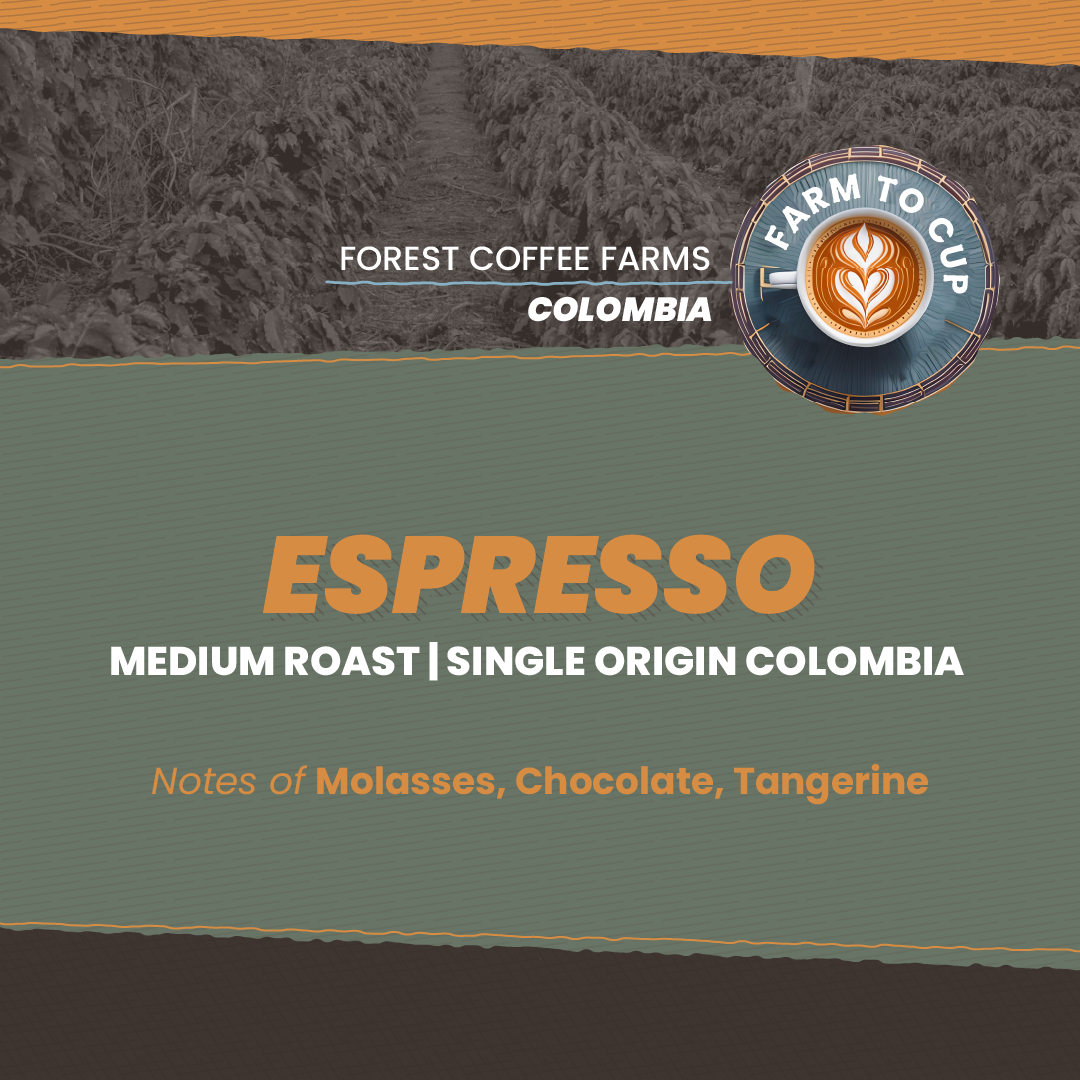
While you could think of coffee as a modern-day staple, its beginnings map back centuries, intertwining with societies around the world. The story starts in Ethiopia, where tale claims a goat herder called Kaldi uncovered the invigorating results of coffee beans after noticing his goats frolicking vigorously after eating them. This triggered rate of interest, leading to coffee's infect Arab traders that treasured the brewed drink. By the 15th century, it got to Persia, Egypt, and Turkey, where coffee shops ended up being social centers for conversation and culture.
As profession courses expanded, coffee made its means to Europe in the 17th century, promptly obtaining appeal. It transformed from a mystical drink right into an everyday routine, intellectual exchanges and inspiring celebrations. Each society included its one-of-a-kind twist to coffee preparation, enriching its background. This worldwide trip highlights just how coffee links us, transcending borders and uniting varied traditions with a simple bean.
Cultivation and Harvesting of Coffee Beans
As coffee's journey advanced, the emphasis moved to the cultivation and harvesting of details bean ranges, particularly those made use of for espresso. You'll find that espresso beans typically originate from Arabica or Robusta plants, each offering unique flavors. The excellent expanding conditions consist of high elevations and rich, well-drained dirt, which improve the beans' quality.
Throughout the harvest, selecting methods differ. Timing is vital; you want to harvest when the cherries get to peak perfection for maximum taste.
Once gathered, the beans are planned for handling, which is essential in identifying their final preference. Understanding the cultivation and collecting procedures gives you insight into what enters into your preferred coffee, enhancing your recognition for each mug.
Handling Techniques: From Cherry to Bean
Since you have actually found out about gathering coffee beans, let's check out exactly how those cherries transform right into the coffee beans you enjoy. You'll see exactly how various harvesting methods impact taste, followed by the important steps of fermentation and drying out. Ultimately, we'll break down the milling and grading procedure that establishes your coffee's top quality.
Harvesting Methods Clarified
When it comes to coffee, recognizing harvesting methods is crucial, because they directly influence the flavor and top quality of the beans you take pleasure in. Careful selecting includes hand-picking just ripe cherries, ensuring you obtain the finest high quality beans. Eventually, the choice of gathering technique can considerably influence your coffee experience, so it's worth understanding just how those beans made it to your cup.
Fermentation and Drying Out
After harvesting, the following steps in processing coffee beans play a substantial role fit their taste. You'll discover that fermentation is important, as it helps break down the mucilage bordering the beans, improving their taste profile. Depending on the method, this process can last from a few hours to several days, with differing outcomes based on temperature and humidity.
Sun-drying permits the beans to take in tastes from the environment, while mechanical drying out assurances regular wetness degrees regardless of weather. Correct drying is important to prevent mold and mildew and protect the beans' quality, inevitably influencing your mug of coffee.
Milling and Grading Process
As fermentation and drying set the phase for flavor growth, the milling and grading process guarantees that just the very best coffee beans make it to your mug. This stage includes removing the external layers of the coffee cherry, including the parchment and husk. After milling, the beans are arranged by dimension and weight, guaranteeing a consistent quality. You'll locate that grading assists recognize flaws and categorize beans, which influences flavor and fragrance. Top notch beans get a greater quality, resulting in a richer coffee experience. As soon as graded, the beans are ready for product packaging and shipping, protecting their unique features. This careful procedure is vital for supplying the outstanding taste you appreciate in every sip of your favorite brew.
Roasting Techniques: Unlocking Flavor Possible
When you roast coffee beans, the technique you pick can dramatically affect the taste account. Understanding the relationship in between time, temperature, and toasting techniques is essential to disclosing the capacity of your brew. Let's discover exactly how these aspects collaborated to develop the perfect mug.
Toasting Techniques Discussed
While you could think that all coffee roasting methods yield the very same outcomes, the fact is that each technique reveals one-of-a-kind flavor capacities in the beans. You can choose in between techniques like drum toasting, air roasting, or even standard frying pan roasting. Drum toasting uses a turning drum to uniformly disperse warm, boosting caramelization and generating a well balanced taste. Air roasting, on the other hand, distributes warm air around the beans, promoting a lighter roast with pronounced level of acidity. Frying pan roasting permits for hands-on control yet needs constant focus to avoid burning. Each approach has its subtleties, so experimenting with various methods can assist you find the perfect roast that aligns with your preference choices. Take pleasure in the journey of discovering your optimal cup!
Influence On Flavor Profile
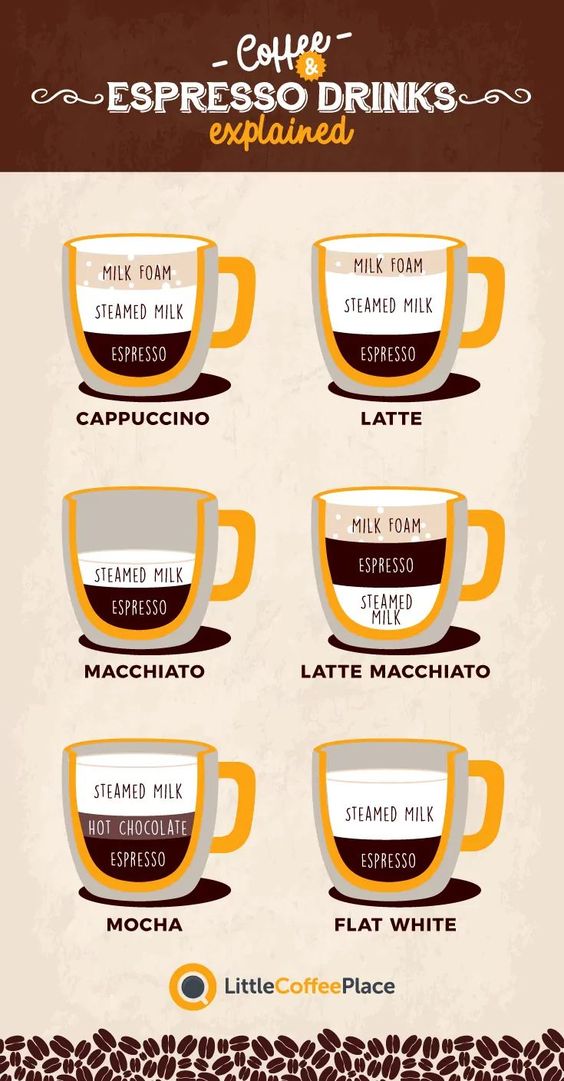
Various toasting try here techniques not just influence the process but likewise significantly influence the taste profile of the coffee beans. When you select a light roast, you'll experience bright acidity and flower notes, showcasing the bean's origin. On the other hand, a tool roast equilibriums level of acidity with sweetness, typically revealing chocolatey undertones. Dark roasts, on the various other hand, bring out strong, smoky tastes, sometimes concealing the bean's one-of-a-kind characteristics. Each method reveals different oils and substances, bring about a variety of flavors. By explore numerous toasting styles, you can discover which profiles reverberate with your taste. Understanding these nuances assists you value the virtuosity behind your cup of coffee, improving your general experience with every sip.
Time and Temperature Level Variables
To release the complete taste potential of coffee beans, both time and temperature throughout the toasting process play significant functions. When roasting, you'll discover that higher temperature levels can swiftly create flavors, however if you hurry it, you may finish up with burnt notes. Conversely, lower temperatures permit a much more progressive flavor advancement, showcasing the beans' distinct qualities.

Timing is simply as vital; expanding the roast too long can bring about a loss of level of acidity and brightness, while as well short a roast may leave the beans underdeveloped. Discovering that wonderful place requires technique and experimentation. By readjusting these elements, you can disclose the rich, complicated flavors hidden within each bean, creating an absolutely amazing coffee experience.
The Art of Mixing: Crafting Unique Coffee Accounts
Start by selecting a base coffee that offers a solid foundation. A brilliant Ethiopian bean can bring fruitiness, while an abundant Brazilian coffee adds body.
As you blend, bear in mind that each combination narrates. You're not just making coffee; you're creating an experience. So, take your time, taste frequently, and delight in the journey of discovering your signature blend.
Developing Techniques: Exactly How Preparation Affects Taste
Blending coffee opens up a domain name of taste possibilities, yet exactly how you brew that mix can significantly affect your final cup. On the various other hand, a pour-over highlights the coffee's clarity and illumination, best for showcasing delicate notes.
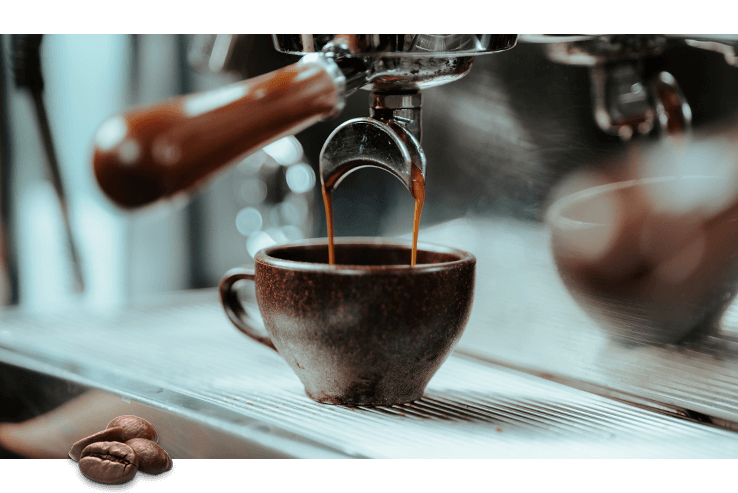
Coffee, with its high stress, produces a focused shot that highlights sweetness and crema. If you prefer a lighter mixture, think about a cool brew method; it produces a smooth, less acidic preference.
Eventually, experimentation is crucial. Changing variables like water temperature level, grind size, and make time can transform your coffee's account. Welcome the art of developing to discover the tastes hidden in your coffee you can try here blends. The right approach can raise your experience to new elevations.
The Future of Coffee: Sustainability and Advancement
As the coffee industry advances, sustainability and advancement are coming to be necessary for attending to environmental obstacles and conference consumer demands. You'll see that more coffee companies are embracing environment-friendly methods, from sourcing beans morally to executing sustainable farming techniques. These shifts not only assist the earth but likewise enhance the top quality of the coffee you delight in.
You might see developments like biodegradable product packaging and water-saving brewing approaches that minimize waste. Advanced technology, such as blockchain, is also ending up being preferred, making sure transparency in the supply chain, which enables you to map your coffee back to its origins.
In addition, spending in regional communities and sustaining farmers via fair profession initiatives fosters an extra lasting coffee ecological community. As you drink your following cup, remember that your selections can contribute to a brighter future for coffee. By selecting sustainable brand names, you're not just enjoying a beverage; you're making a positive effect on the globe.
Frequently Asked Inquiries
What Is the Difference In Between Arabica and Robusta Beans?
Arabica beans are smoother, sweeter, and have a greater level of acidity, while robusta beans are stronger, extra bitter, and include more caffeine. You'll notice these distinctions in taste and fragrance when making your coffee.
Just How Does Altitude Affect Coffee Bean Taste?
Elevation impacts coffee bean taste considerably. Higher altitudes create beans with brighter level of acidity and complex flavors, while lower elevations frequently generate beans that are much heavier and less nuanced. You'll see these distinctions in your mug!
What Are the Health And Wellness Advantages of Drinking Coffee?
Consuming alcohol coffee can boost your energy, improve mental emphasis, and even enhance Get More Info physical efficiency. It's rich in anti-oxidants, may decrease the threat of certain illness, and can advertise a healthier metabolic rate when consumed in moderation.
Can Coffee Beans Be Recycled for Developing?
Yes, you can recycle coffee beans for brewing, however the taste may be weak. If you delight in trying out, attempt recycling them in different means, like cold mixtures or contributing to smoothies for an added kick.
How Should I Store Coffee Beans for Quality?
To maintain your coffee beans fresh, keep them in an airtight container in a cool, dark area. Avoid exposing them to wetness, light, or warmth, as these elements can promptly deteriorate their taste and fragrance.
Comprehending Coffee Beans: the Trip From Coffee to Blended Coffee Beans.
Now that you have actually found out regarding collecting espresso beans, allow's check out how those cherries change into the coffee beans you like.When you roast coffee beans, the approach you choose can dramatically affect the taste profile - Single Origin Espresso.While you could believe that all coffee roasting methods yield the same outcomes, the fact is that each method reveals distinct flavor possibilities in the beans.Different toasting methods not only affect the procedure yet also considerably influence the taste account of the coffee beans